When hazardous materials and wildfire risk intersect, preparedness becomes non-negotiable.
As part of operating and maintaining electrical infrastructure across Interior British Columbia, FortisBC generates materials classified as hazardous under environmental regulations. The Warfield facility provides centralized storage and management to ensure these materials are handled safely and in compliance with provincial requirements.
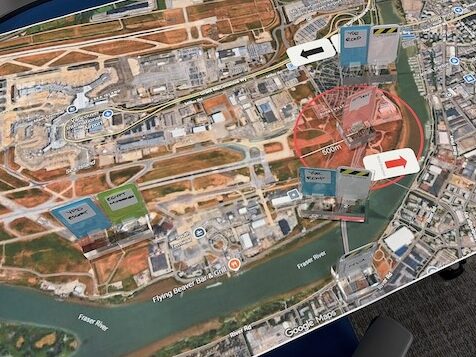
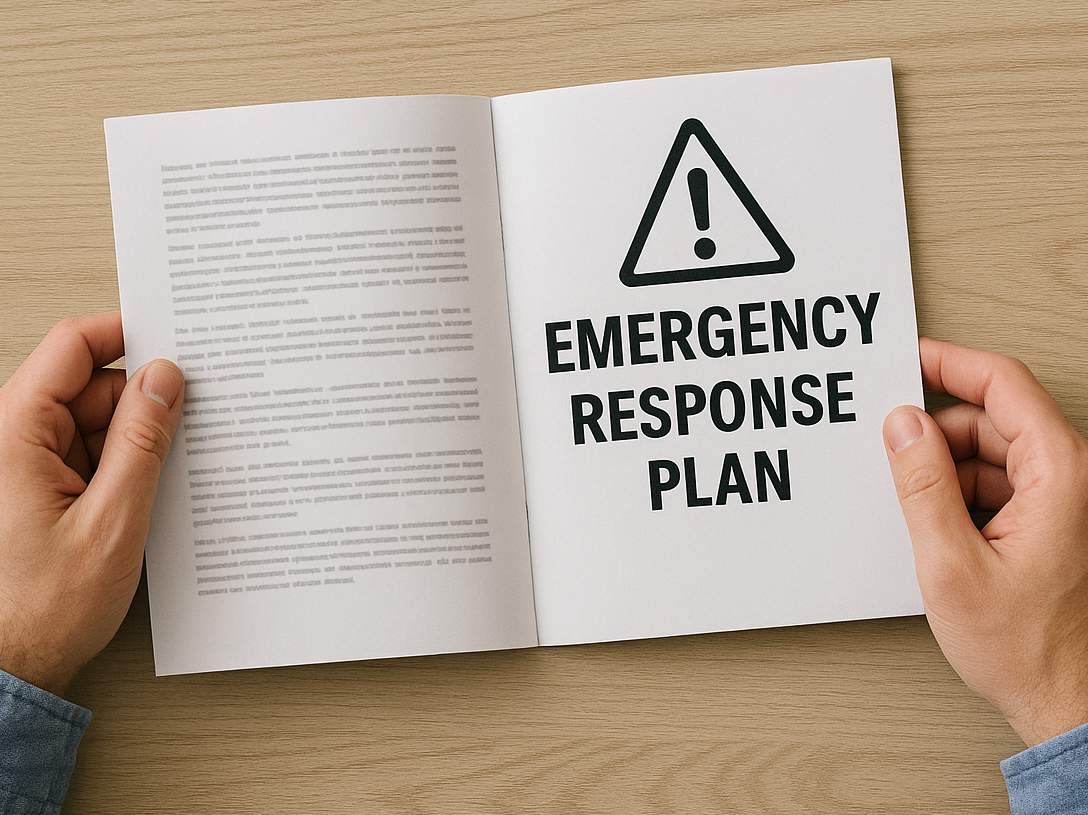
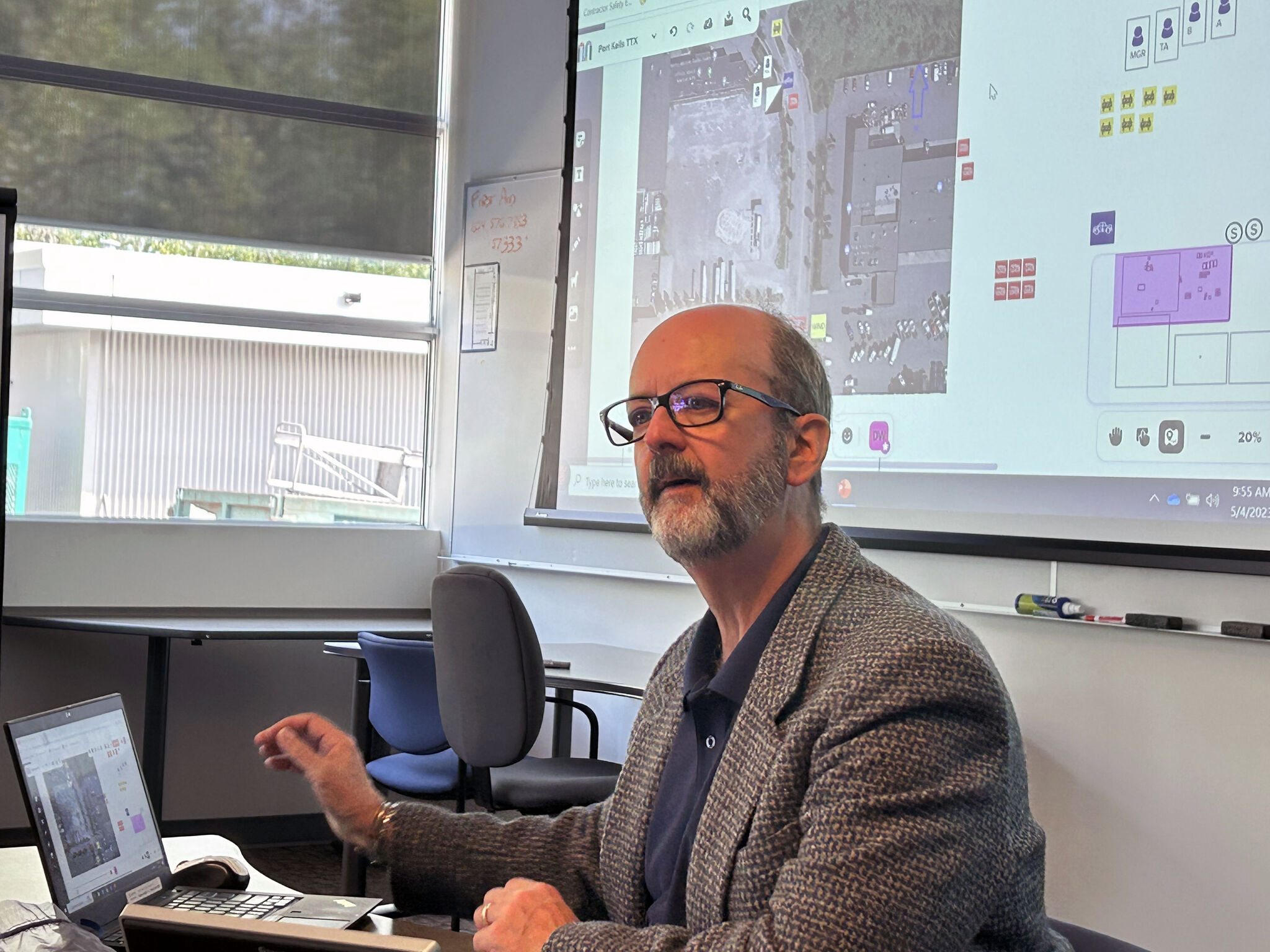
Ally recently facilitated a tabletop exercise at FortisBC’s Warfield facility to test the Emergency Response Plan under simulated wildfire conditions. The exercise brought together the facility team and local RCMP to examine coordination, decision-making, and operational readiness during a complex, evolving incident.
Scenario Design
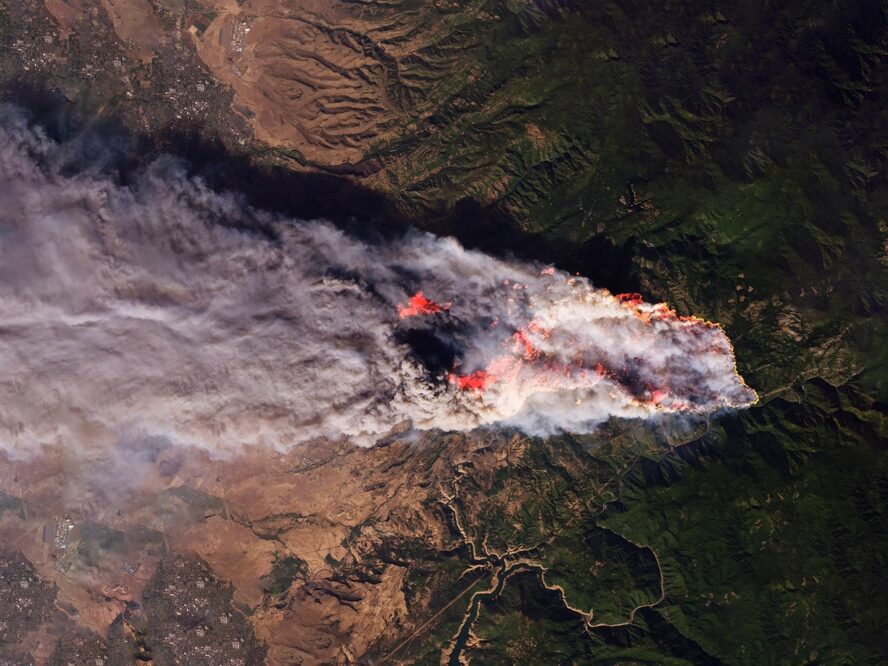
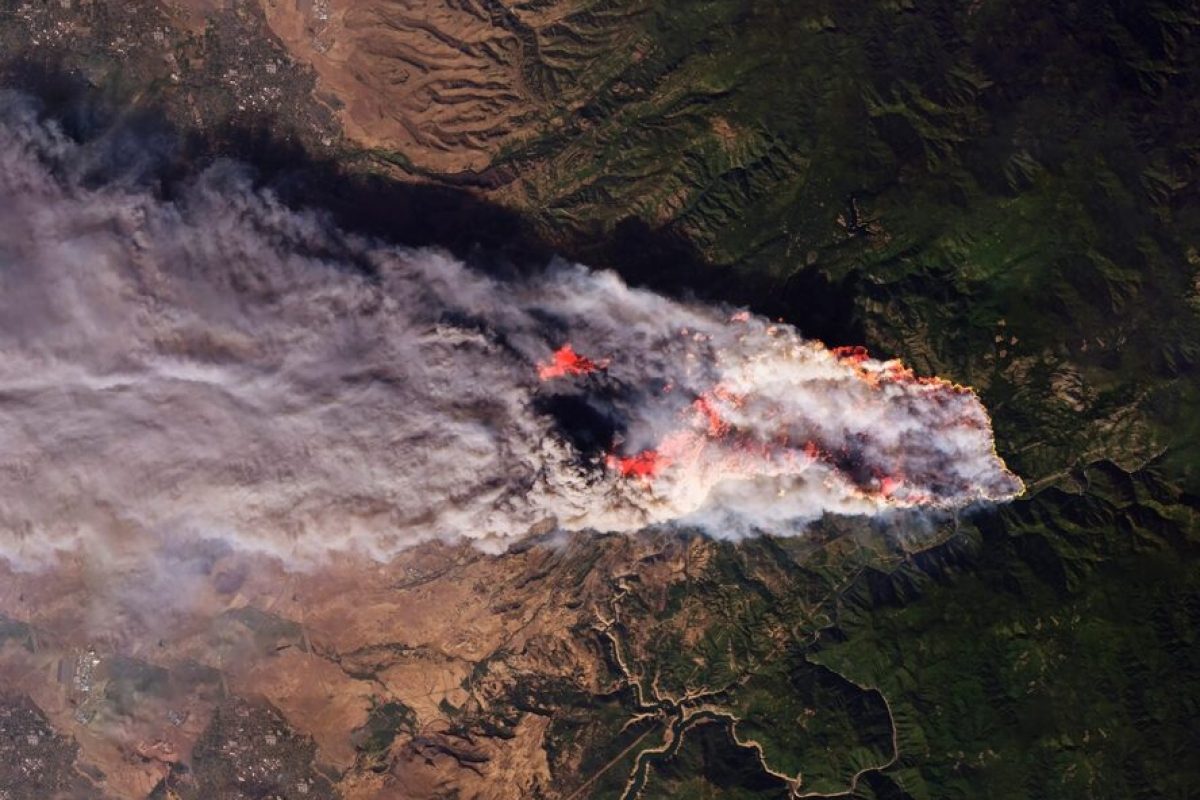
The scenario involved a wildfire originating outside the facility boundary and progressively threatening site operations. By introducing an external hazard, participants were required to assess both on-site operational risks, and broader impacts to response partners and surrounding stakeholders. Early discussions focused on detection, initial reactions, notifications, and communications.
Exercise Progression
As the exercise unfolded, participants worked through evacuation procedures, continuity of critical functions, and coordination with external agencies. The final phase explored re-entry once the site was deemed safe, incorporating an added complication: a material spill that occurred during the evacuation. This inject required participants to pivot from wildfire response to hazardous materials management under post-incident conditions.
Working through the scenario reinforced the value of proactive planning in environments where operational, environmental, and community risks intersect.
Strengthening Readiness Through Exercises
The tabletop discussion at FortisBC’s Warfield facility highlighted the importance of structured, scenario-based planning when hazards originate beyond a facility’s control. Exercises like these provide a structured forum to validate emergency plans, test decision-making processes, and strengthen coordination between internal teams and external agencies. By working through realistic, scenario-based discussions, organizations can identify strengths, clarify responsibilities, and identify improvement opportunities before a real-world incident occurs.