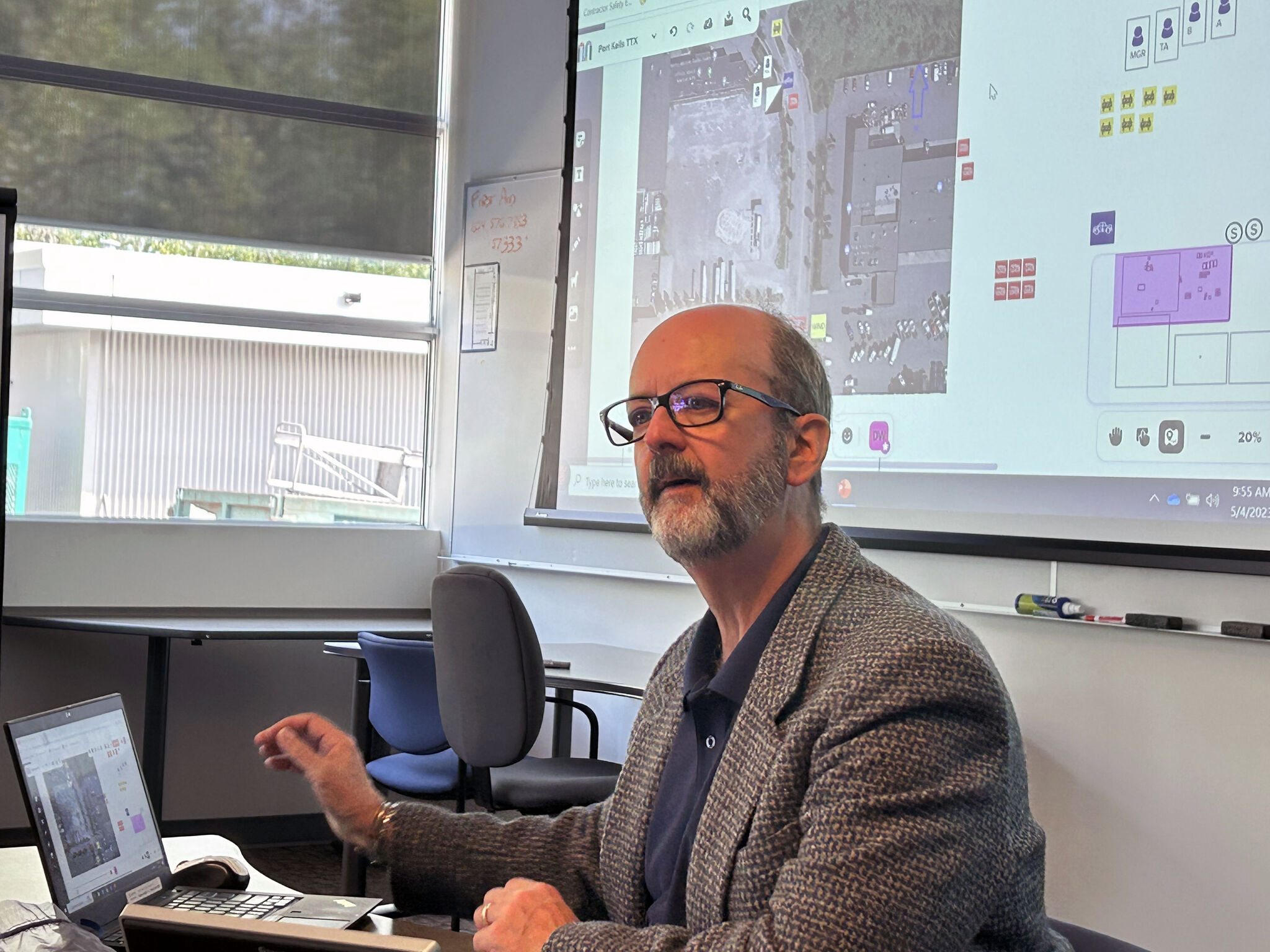
Throughout the EOC Bootcamp Series we’ve discussed the role of the EOC, and how important it is to remember that the EOC does not manage the incident. That is the sole purview of the Incident Commander (IC). But there is another group that is critical during serious emergencies: the Policy Group or Executive Group.
In the context of local authorities, this leadership function is typically referred to as the “Policy Group” and is made up of elected officials. In private-sector organizations, similar responsibilities may be the purview of an “Executive Group” or “Executive Leadership Team” and are comprised of senior-level employees of the company or organization engaged in the emergency.
Regardless of the terminology, Policy and Executive Groups are non-operational in nature. Just as the EOC does not manage the incident itself, the Policy Group is responsible for providing strategic guidance and organizational direction to the EOC Director. The IC directs tactical response activities at the site, the EOC coordinates organizational support, and the Policy Group functions at a strategic level in support of the EOC.
For the remainder of this article, we’ll use the term “Policy Group” to describe this non-operational strategic function providing support and organizational direction to the EOC Director.
Responsibilities of the Policy Group
Provincial EOC guidelines define the following responsibilities of the Policy Group:
- Provide overall policy direction to the EOC Director
- Set expenditure limits
- Request and approve higher level support for assistance (e.g. Provincial and Federal funding)
- Authorize declarations (e.g. State of Local Emergency)
- Provide direction on public information activities
- Act as an official spokesperson
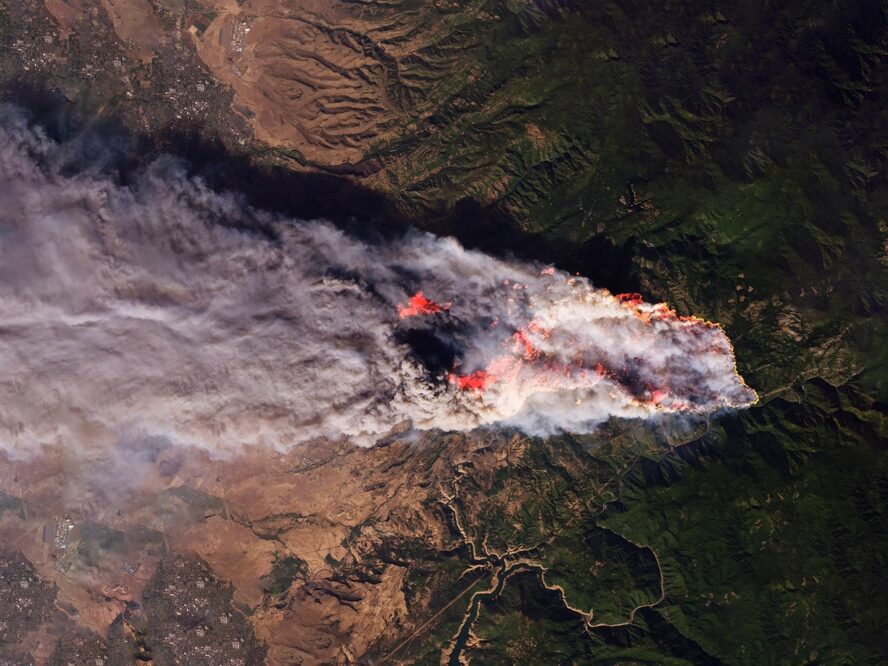
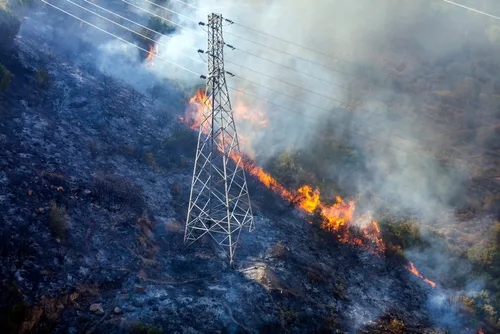
For instance, during a wildfire evacuation, the Policy Group may need to approve emergency expenditures, coordinate with elected officials, or authorize measures such as evacuation alerts or declarations. Meanwhile, operational decisions — such as resource deployment and incident objectives — remain with the IC and operational teams.
Staying Out of the Weeds
There may be an urge on behalf of the Policy Group to “get into the weeds” and start giving operational direction.
The toughest part about the Policy Group to wrap one’s head around is that it is non-operational. During high-pressure incidents, senior leaders are often exposed to the same operational information as the EOC team through briefings, media reports, and internal updates. There may be an urge on behalf of the Policy Group to “get into the weeds” and start giving operational direction. This is an urge to be avoided at all costs as it can lead to well-intentioned but conflicting direction, duplication of effort, or confusion around decision-making authority.
Building Effective Policy Groups Before a Crisis
Strong Policy Groups do not emerge automatically during a crisis. They are developed through training, exercises, and a shared understanding of roles before an incident occurs.
Strong Policy Groups do not emerge automatically during a crisis. They are developed through training, exercises, and a shared understanding of roles before an incident occurs.
Organizations that clearly define the relationship between the IC, EOC team, and Policy Group are better positioned to make timely decisions, maintain coordination, and support effective incident response under pressure. Ally helps organizations strengthen these capabilities through EOC training, Policy Group workshops, exercises, and emergency management program support. We welcome the opportunity to support your organization’s preparedness efforts and look forward to hearing from you.
—
This article was originally written and posted on Dave Whittier’s LinkedIn. It has since been revised and expanded by the Ally team and refined with the assistance of generative AI editorial tools.