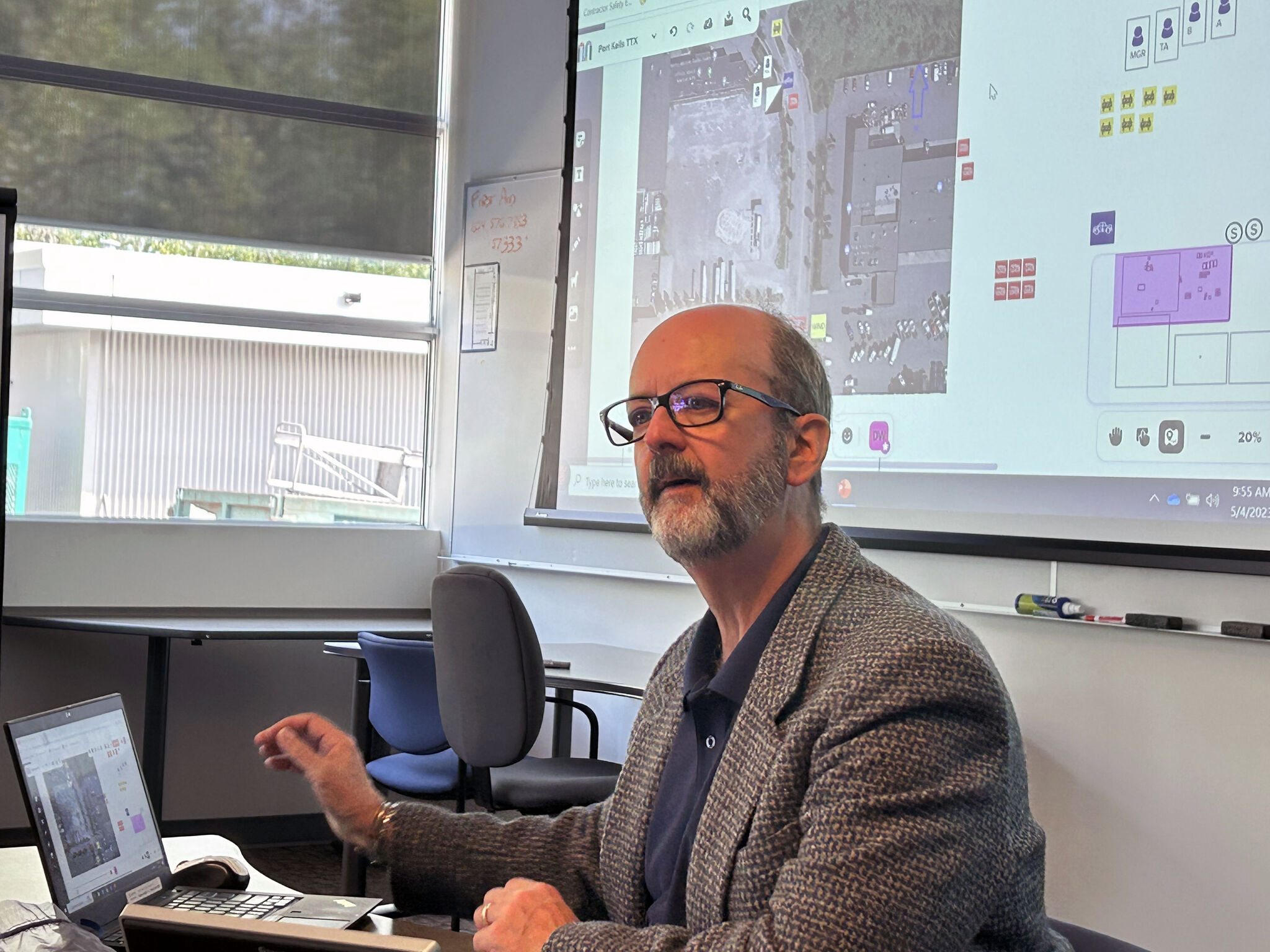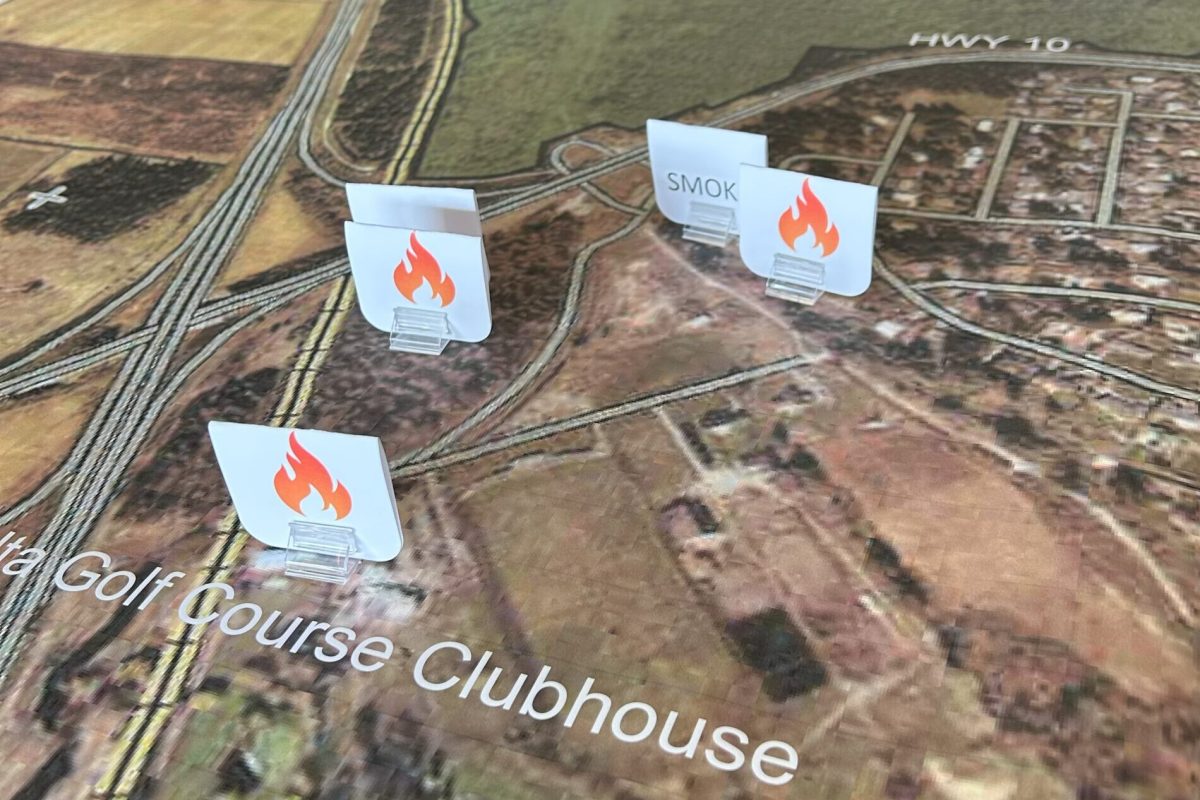
Earlier this year, Ally worked with the City of Delta Emergency Management Department to conduct a multi-agency emergency exercise focused on a fire scenario at the Delta Golf & Country Club. The table-top exercise brought together more than 30 individuals from the City of Delta and other stakeholders including police and fire, Tsawwassen First Nation, Metro Vancouver, and Delta School District.
A welcome addition to the suite of exercise participants were representatives from the Delta Amateur (Ham) Radio Society who ran a concurrent drill to practice and discuss their role in local emergencies in providing essential backup communications.
Fostering Cooperation Through City of Delta’s Emergency Exercise
The overall aim of the exercise was to build mutual understanding amongst stakeholders, and foster cooperation between such a large and varied response team. Some specific objectives were as follows:
- Test coordination and communications between emergency services, city departments, external stakeholders, and the public.
- Discuss Emergency Support Services (ESS)
- Discuss the evacuation process including Evacuation Alerts and Orders
- Identify resource gaps and operational challenges.
Putting Emergency Plans to the Test
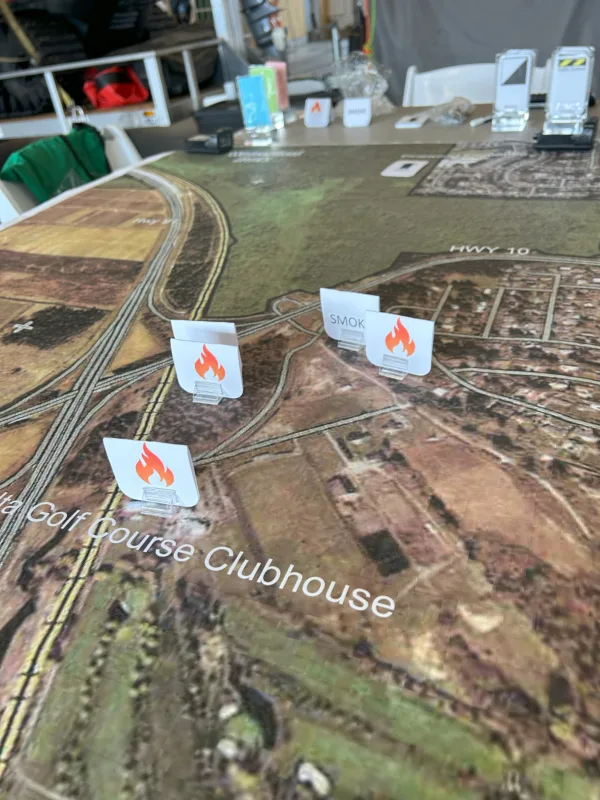
The exercise itself was centered around a hypothetical fire scenario at the Delta Golf & Country Club, prompting exercise participants to discuss local evacuations and road closures – including major thoroughfares such as the nearby Highways 97 and 10. Participants also contended with the inclusion of ‘Mop Up’ efforts as part of the exercise scenario, including the logistics associated with temporary housing for displaced residents, issuing air quality warnings, and fielding responses to social media and news outlets.
Incident Site and EOC – Practicing Real-World Coordination
To facilitate the exercise, participants were divided into two separate groups: Incident Site and the Emergency Operations Centre (EOC), which included Delta’s communications team. The Incident Commander and EOC Operations Section Chief maintained contact as they would in a real-life incident. Each group was provided with the same incident scenario and given the opportunity to work through the problems, either at site, or in the site-supporting EOC. This natural separation enabled participants within each group to take on an active role within the exercise as they would in the event of a real crisis of this nature. As one participant noted:
“The exercise gave me a much more thorough sense of what to expect at an EOC and what my role could look like.”
Structured Learning Through Three Stages of Response
The exercise was structured to focus on three response stages – early, mid, and late, with each stage defined as follows:
Early Stage: covering the period from the initial outbreak of the fire, the immediate response, and arrival of emergency resources.
Mid Stage: covering the employment of those resources and execution and sustainment of a response plan.
Late Stage: demobilization, assistance for displaced residents, and re-entry planning.
Participant Reflections and Key Takeaways
Overall, the exercise was seen as a positive experience by the participants, including the opportunity to increase familiarity with working in an EOC, and gaining an understanding of the roles and responsibilities of various responding agencies. Participants were able to identify many existing strengths related to coordination and communication, as well as opportunities to make improvements to plans, procedures, and protocols already in place. As another participant reflected:
“I came away with a better understanding of the other people involved and their roles, and how to best leverage the expertise on hand.“
Ally thanks the City of Delta Emergency Management Department, as well as all stakeholders who participated in this fruitful and engaging emergency exercise.